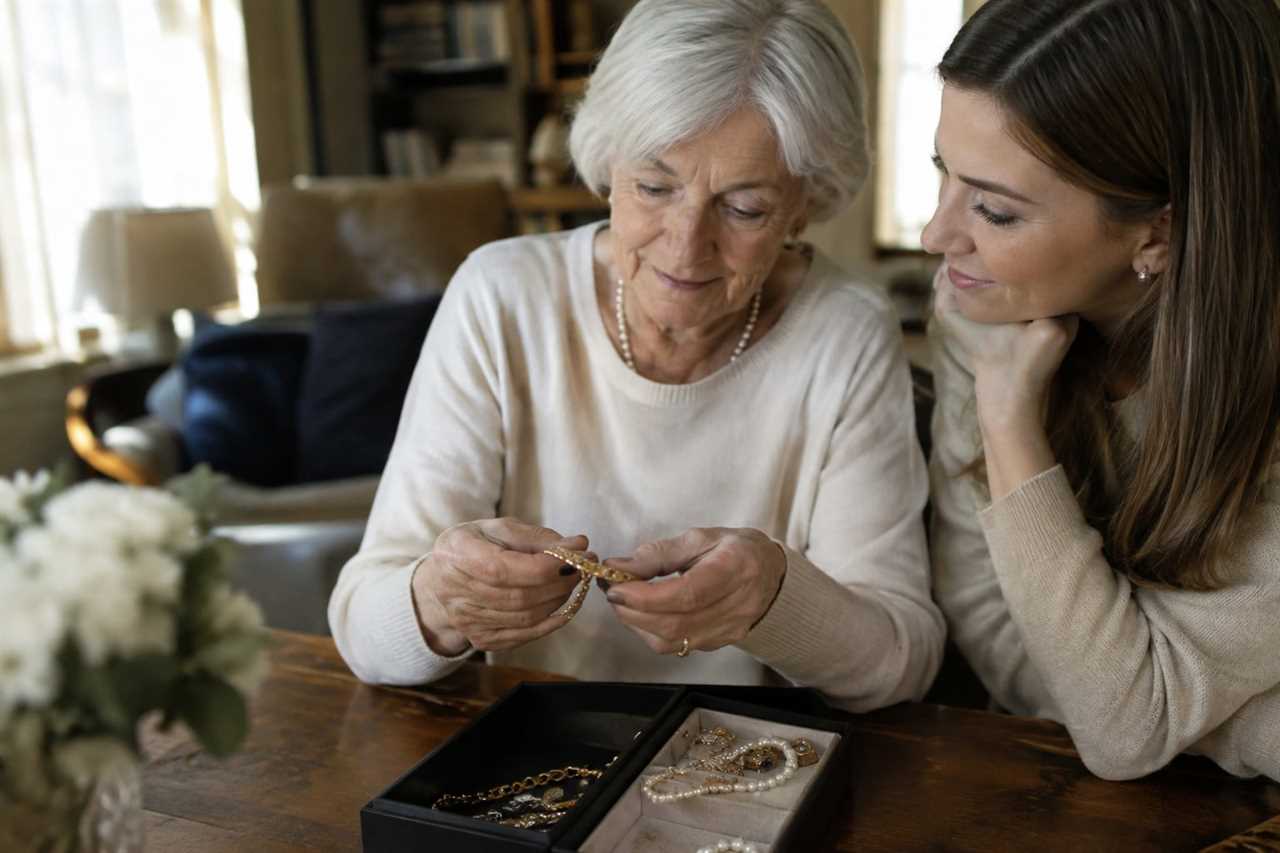
Baby boomers are sitting on an estimated $750 billion in jewelry. Most of it will pass to their kids and grandkids over the next 20 years, as part of a much bigger $124 trillion wealth handoff already happening across America. Unlike a house or a stock account, jewelry doesn't come with a clear price tag, and that is about to cause some real headaches.
Quick Take
- Boomers hold around $750 billion in jewelry, per resale marketplace Worthy.
- That jewelry is part of the larger $124 trillion "Great Wealth Transfer" moving from older to younger generations.
- Jewelry's true resale value often has nothing to do with what it cost, what it's insured for, or what family members think it's worth.
- Siblings fighting over who gets which piece could become a bigger estate problem than anyone expects.
- Younger heirs may be more likely to sell inherited jewelry than wear it, which could flood the resale market.
A Hidden Fortune Nobody Counts
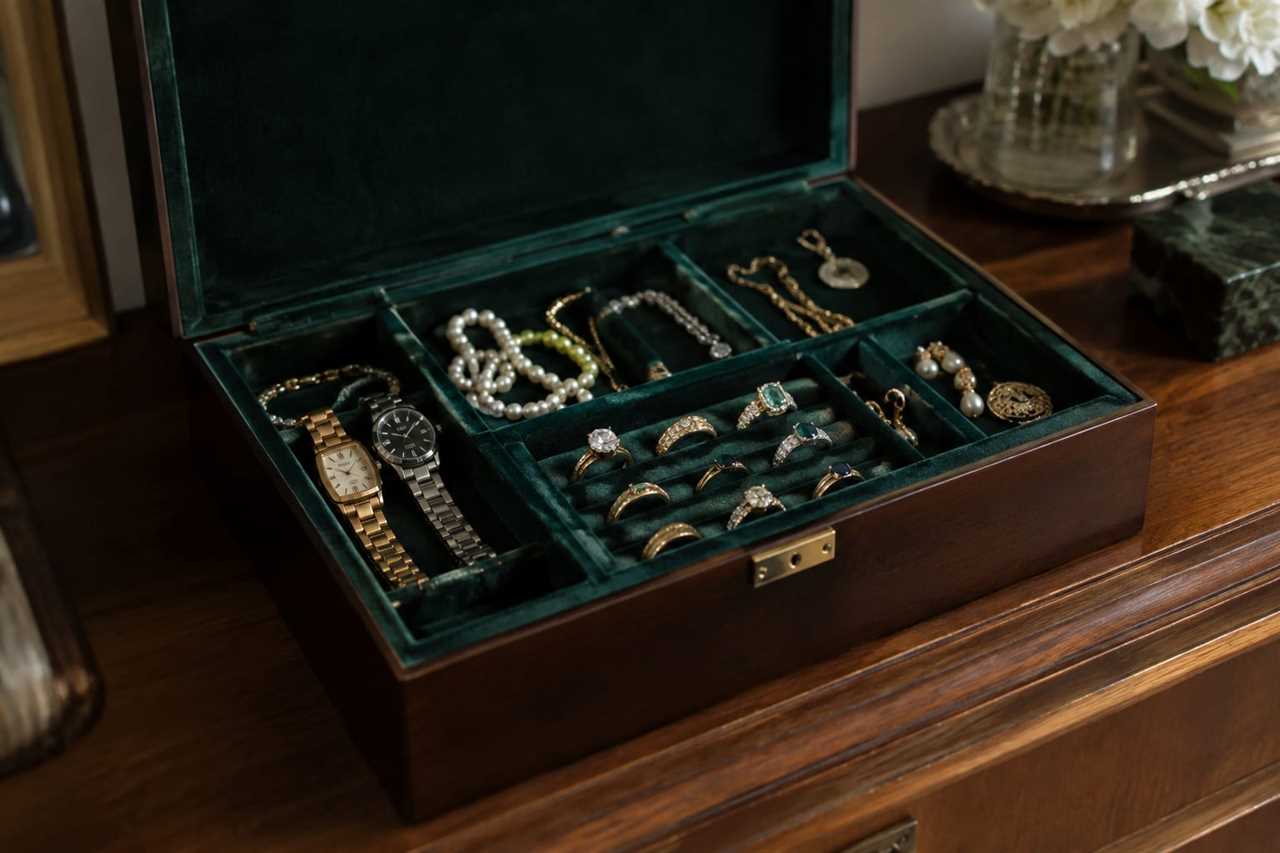
When people talk about inheritance, they usually mean homes, retirement accounts, or a family business. Jewelry almost never makes that list, even though it can be worth tens or hundreds of thousands of dollars per household.
Worthy, an online marketplace for selling luxury jewelry, says that blind spot is a mistake. Rings, watches, and necklaces sitting in a drawer can be just as valuable as money in a bank account. The difference is that nobody writes it down on a financial statement.
Baby boomers own an estimated $750 billion worth of jewelry — a chunk of wealth that rarely shows up in estate planning conversations.
Why Jewelry Doesn't Price Itself
A share of stock has one clear price. You can look it up in seconds. Jewelry does not work that way.
Someone who inherits a diamond ring might know three different numbers: what grandma paid for it in 1985, what the insurance paper says it would cost to replace today, and what the family always assumed it was worth. None of those numbers is what a buyer will actually pay.
Retail prices include store markups that vanish the moment you try to resell. Insurance values are built for replacement cost, not resale. And trends in style, the piece's condition, and its history (called "provenance," which just means who owned it before) can all push the real resale value up or down.
When Sentiment and Money Don't Match
Families usually split up jewelry based on feelings, not dollars. That works fine — until it doesn't.
Problems show up when two siblings both want the same necklace, or when one heir gets a piece everyone assumed was the "valuable one" and it turns out not to be. A small slice of an estate, in dollar terms, can still cause the biggest family fight.
| Source of Confusion |
What People Assume |
What's Actually True |
| Purchase price |
Original cost = resale value |
Retail markups disappear on resale |
| Insurance appraisal |
Insured value = sale value |
Insurance covers replacement, not resale |
| Family belief |
"Grandma's ring is worth a fortune" |
Style and condition change real demand |
Younger Heirs Are More Likely To Sell
Millennials and Gen Z often don't share their grandparents' taste in jewelry. On top of that, selling luxury items online is easier than ever, thanks to resale platforms built for exactly this.
That means a diamond necklace that meant "stored wealth" to a boomer might look like simple cash to their grandkid — money to put toward a house down payment or an investment account instead of a jewelry box.
This doesn't mean the inheritance is wasted. It just means the form of it is changing, from a physical object to usable cash.
What's Next
As more of this $750 billion moves between generations, expect more of it to land on resale markets, since many heirs feel less attached to pieces they didn't buy themselves. That extra supply, combined with more price transparency from online marketplaces, should make it easier for families to finally learn what grandma's jewelry box was really worth all along.
If you missed it: Most Public Colleges Cost Too Much for Low-Income Students, New Report Finds
 Financial ConceptsWealth StrategiesVideosPodcastsNewsPrivacy PolicyTerms And Conditions