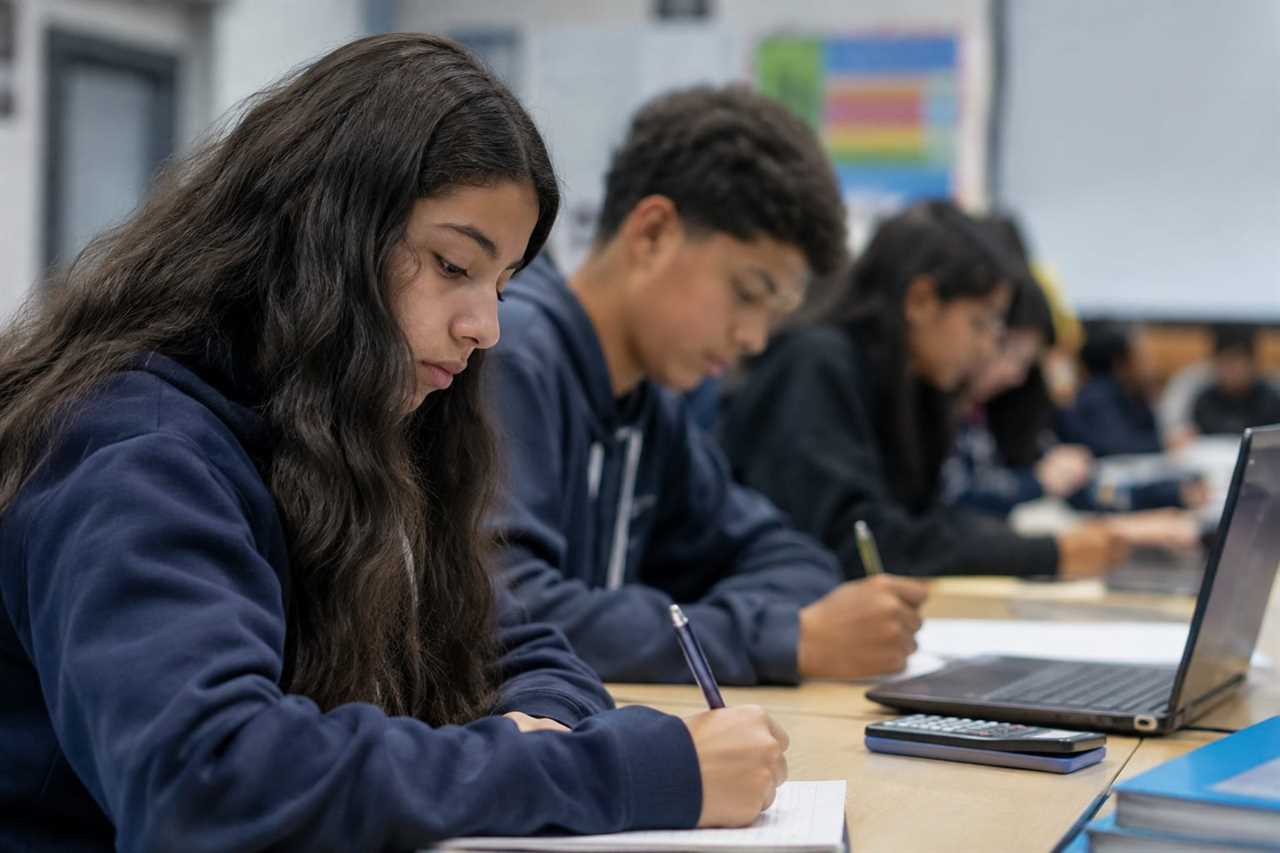
Los Angeles Unified School District (LAUSD) students are now getting lessons in financial literacy (that just means learning how to handle money). This matters because a lot of adults never got this kind of teaching in school, and it often leads to money trouble later in life.
The news comes from ABC7 Los Angeles, which covered the push to bring real-world money skills into classrooms.
Quick Take
- LAUSD is rolling out financial literacy lessons for students.
- Financial literacy means learning how to budget, save, and understand credit.
- The goal is to prepare kids for real money decisions before they become adults.
- Many states and districts are adding similar programs right now.
- Experts say early money lessons can prevent debt problems down the road.
What Financial Literacy Actually Means
Financial literacy is a fancy way of saying "money smarts." It covers things like making a budget, understanding a bank account, and knowing how credit cards work.
It also means learning the difference between a want and a need. That sounds simple, but it's a skill a lot of grown-ups still struggle with.
Many adults say they wish someone had taught them about money before they left school.
That's the whole point of this new push. Teach it early, so kids don't have to learn the hard way.
Why LAUSD Is Doing This Now
Money problems don't just hurt individual families. They ripple out into whole communities.
Students who understand money early are less likely to fall into debt traps later. Things like high-interest loans, missed payments, and bad credit scores often start with simple gaps in knowledge.
LAUSD is one of the largest school districts in the country. So a move like this can affect a huge number of students and families across Los Angeles.
How This Fits a Bigger Trend
LAUSD isn't alone here. Schools across the country have been adding financial literacy classes in recent years.

Some states now require a personal finance course before students can graduate. Others are still debating whether to add it.
| Trend |
What It Looks Like |
| State mandates |
Some states require a finance class to graduate |
| District programs |
Individual districts, like LAUSD, add lessons on their own |
| Community partnerships |
Banks and nonprofits sometimes help teach these classes |
| Digital tools |
Apps and online modules are used alongside regular lessons |
This table shows the different ways schools are tackling the same goal: teaching kids about money before they're out on their own.
What Students Might Actually Learn
While exact lesson plans vary by school, financial literacy programs usually cover a few core basics.
Students often learn how to make a simple budget. They also learn about saving money and why an emergency fund matters.
Many programs also explain credit — what it is, why it matters, and how it can help or hurt you later. Some go further and talk about taxes, paychecks, and even investing basics.
A little bit of money knowledge now can save a person thousands of dollars in mistakes later.
That's the idea driving these lessons forward.
Why It Matters
Teaching kids about money early gives them a head start most past generations never had. It won't fix every financial problem, but it gives students tools they'll actually use for the rest of their lives.
As more districts follow LAUSD's lead, financial literacy could become a normal part of growing up — not an extra, but a basic life skill taught right alongside math and reading.
Catch up on our earlier post: The US Economy Looks Like The Letter "K" Now — And PwC Says Your Wallet Proves It
 Financial ConceptsWealth StrategiesVideosPodcastsNewsPrivacy PolicyTerms And Conditions